Buyer Guide
How Much Does Private Label Sex Toy Manufacturing Cost?
Short Answer
A practical buyer guide to the product, quantity, branding, packaging, development, testing and shipping factors that shape a private-label quotation.
The cost of a private-label intimate wellness product cannot be reduced to one universal unit price. The final quotation depends on the selected model, order quantity, functions, battery, materials, finish, color, logo method, packaging, control features, product changes, tooling, testing requirements and shipping plan. Buyers receive a more useful quotation when these inputs are separated and confirmed before price comparison.
This guide explains the cost structure without publishing unsupported price ranges. Use it with the JWELL private-label process and the low-MOQ planning guide.
Why there is no universal unit price
Two products with a similar external shape can use different motors, batteries, control boards, materials, assembly steps, accessories and packaging. The same existing model can also produce different quotations when one buyer chooses standard presentation and another requests custom color, logo, printed packaging, inserts and market-specific labels.
Quantity affects material purchasing, component preparation, printing setup, assembly planning and quality review. A unit quotation should therefore be read together with the exact model, specification, package, quantity, Incoterm and validity period.
1. Product model and base configuration
An existing published model provides a defined starting point. Its functions, dimensions, charging method, accessories and standard presentation establish the base configuration. Selecting an existing model normally removes the industrial-design and tooling stages required by a new concept, but the current product details still need to be confirmed through the model page, quotation and sample.
Compare models in the JWELL product catalog and use the public model number in every request.
2. Order quantity
Standard-product quantity, sample quantity, logo quantity, custom-color quantity and packaging quantity can all be different. A small standard order reference does not imply that branding is available at the same quantity. Orders with JWELL standard packaging start from 100 pieces, while logo, color and custom packaging start from 500 pieces. These are qualified working references and remain model-dependent and project-dependent.
Ask the quotation to show each relevant threshold separately. This prevents the product price from being compared against another quotation that includes different setup or packaging work.
3. Motor, function and control configuration
Vibration, suction, air-pulse, thrusting, rotation, licking, heating, remote control, app control and display functions require different components and assembly. Mode count alone does not describe cost; motor type, control logic, structure, noise direction, battery demand and waterproof construction can also matter.
If the published model already provides the required functions, keep the configuration unchanged for the first evaluation. A requested component or function change must be reviewed for feasibility and may affect engineering, samples, MOQ and timing.
4. Battery and charging system
Battery capacity, charging circuit, cable or magnetic connector, operating time and charging time affect the product specification and component plan. App-controlled, remote-control or higher-power movement products can require a different energy and charging approach from a compact bullet or simple wand.
Buyers should confirm the charging method, included cable, battery information, package labeling and transport information required for the destination.
5. Material, surface and finish
Material direction, part count, surface texture, coating, metallic accents and assembly method can change the production route. A requested finish should be evaluated on the actual product structure and surface rather than copied from a reference image.
When color matching or a special finish is important, provide a color reference and define the approval method. A custom-color run may have a different quantity from the standard product or logo.
6. Logo method
Silk printing, laser engraving, pad printing, UV printing and applied logo elements have different surface requirements, setup steps and appearance. The correct method depends on the material, shape, available application area, desired color and durability expectation.
Provide vector artwork, size, placement and color information. Review the logo method guide before requesting a branded sample.
7. Packaging
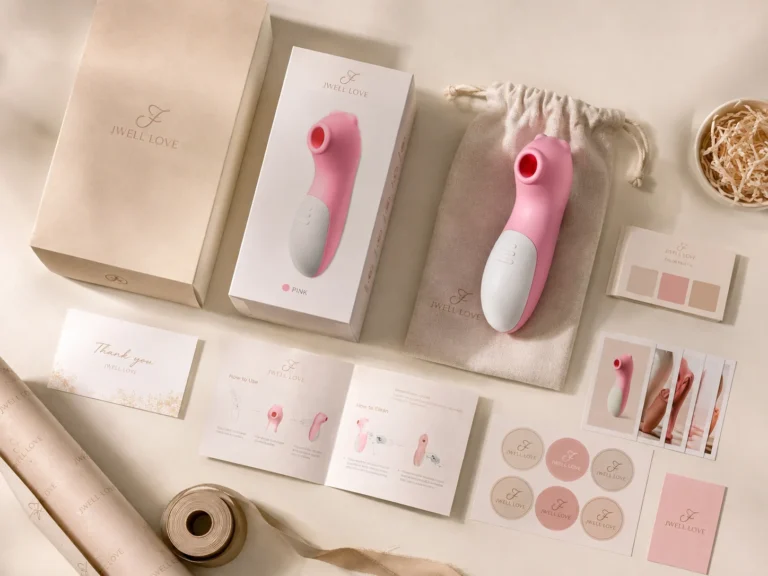
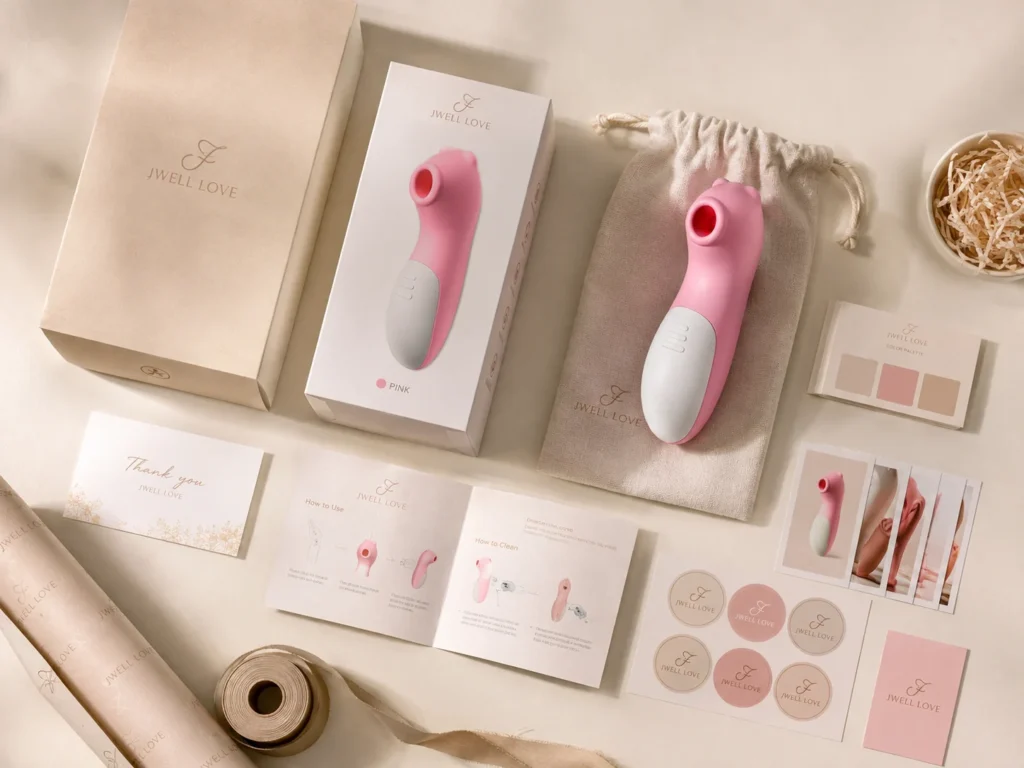
Packaging cost can include the box or sleeve, insert or tray, printed manual, labels, barcode, stickers, accessories and outer-carton requirements. A new structure requires more preparation than applying an approved label to an available box. Print quantity, material, finish, number of colors and insert method all matter.
Prepare dieline, artwork, languages, claims, warnings, barcode and label requirements using the packaging checklist.
8. Remote and app features
A physical remote, app control, connectivity module or special interface changes the component and validation scope. Existing app-enabled models should be evaluated using their confirmed control route. Custom app development is a separate project and is not automatically included with a private-label product.
State whether the project uses the existing control experience, needs a physical remote, or requests a new software scope so the quotation does not combine unrelated assumptions.
9. Product modification
Selected changes to a component, motor option, surface, finish or structure may be possible, but each request needs technical evaluation. Even a small external change can affect internal space, assembly, sealing, charging or packaging.
A modification quotation may include design review, engineering time, prototype work, revised components, sample preparation and validation. Approve the scope before comparing it with an unchanged existing model.
10. Custom tooling or mold
A new concept can require industrial design, structural engineering, electronics, prototypes, tooling, tooling correction and pre-production samples. Not every project requires every stage, and not every concept is technically or commercially feasible.
Custom tooling is subject to engineering review, development cost and MOQ. Buyers should discuss ownership, approved drawings, change rounds, maintenance, sample acceptance and production use in writing. See the manufacturing support page for the full project route.
11. Testing and document review
Testing and documentation requirements depend on the model, electronics, battery, materials, product claims, destination market and sales channel. Available documents should be reviewed for the selected model. Any additional testing requirement should be identified early because it can affect samples, timing and cost.
Use the quality and compliance process to prepare the model-specific review.
12. Shipping and handover
Product quotation and freight should be separated clearly. Shipping planning depends on carton size, gross weight, battery information, destination, Incoterm, forwarder instructions and service level. A unit product price does not include every possible destination or delivery route.
Provide the destination and preferred handover terms so the project team can identify the information needed for a separate shipping review.
Existing product, modified product or full custom?
| Route | Main cost drivers | Best used when |
|---|---|---|
| Existing model | Product, quantity, color, logo, package and shipping | The current functions and structure fit the commercial brief |
| Modified model | Existing product plus engineering, components, prototypes and validation | A defined change creates enough commercial value |
| Custom development | Requirements, design, engineering, prototypes, tooling, samples, packaging and validation | The brand needs a differentiated concept and can support the scope |
Cost planning by project stage
- Product review: compare published models or define a development brief.
- Specification review: confirm functions, dimensions, materials, charging, accessories and open items.
- Sample stage: approve the standard or customized sample and record feedback.
- Branding stage: confirm logo method, artwork, color and placement.
- Packaging stage: approve structure, dieline, insert, manual, labels and artwork.
- Production stage: confirm quantity, approved references, schedule assumptions and quality plan.
- Shipment stage: confirm cartons, battery information, labels, destination and handover.
RFQ cost checklist
- Public model number or custom concept brief
- Target market and sales channel
- Estimated quantity for the first order
- Required functions and control format
- Material, color and finish direction
- Logo file, method and application area
- Packaging structure, artwork, language and labels
- Required sample type and approval process
- Destination-market document or testing needs
- Destination, Incoterm and forwarder requirements
What buyers should send before requesting a quotation
Send one concise document or message containing the model numbers, quantity by model, must-have functions, preferred colors, logo artwork, package type, languages, labels, documents, destination and target timing. For a custom concept, add sketches, reference products, target dimensions, user interaction, required functions and the expected development route.
Open questions can remain marked for confirmation. A quotation built from transparent open items is more useful than a fixed number based on hidden assumptions.
Frequently asked questions
Can JWELL provide a fixed public price list?
No universal public price is used because the model, quantity, configuration, branding, packaging and shipping scope change the quotation.
Does a sample quantity equal the private-label MOQ?
No. Samples, standard products, logos, colors and packaging can each have different quantities.
Is custom packaging included in the product price?
Packaging is reviewed against the selected structure, artwork and quantity and should be shown clearly in the project quotation.
Does every custom project require a new mold?
No. An existing model or selected modification may meet the brief. Tooling is considered only when the confirmed design requires it.
When should testing requirements be discussed?
As early as possible, because the model, market, channel and product claims determine the review scope.