Buyer Guide
Rabbit Vibrator Wholesale & Private Label Buying Guide
Short Answer
A B2B framework for selecting rabbit vibrators, reviewing samples and functions, separating MOQ, planning packaging, and preparing a private-label RFQ.
A rabbit vibrator wholesale project should begin with a model-specific function review, an exact sample, and a clear role for the product in the buyer’s assortment. Compare confirmed movement, controls, charging, dimensions, material, finish, waterproof rating, package contents, and presentation. Then separate standard order, logo, color, packaging, product-modification, and custom-development requirements before requesting a final quotation.
Rabbit and related vibration products are published in the Vibrators & Wands category. Buyers can review models such as JW-S09 and other current products in that category. Use the public JW-S model number in every sample request, specification, artwork file, approval, and purchase discussion.
Compare the current published rabbit vibrator models
The current rabbit range supports different verified function positions. Compare exact model pages and samples rather than transferring claims between similar formats. Review the Vibrators & Wands category for the complete published selection.
Define what the model must contribute to the range
Rabbit products can occupy different price and feature positions. Before comparing quotations, decide whether the model will be an entry product, a central volume item, a feature-led product, or a premium presentation. Define the selling channel, target market, intended price band, quantity, and the other products already in the assortment.
A rabbit model should not be selected only from its silhouette. Ask which functions are confirmed, how they are controlled, whether settings can operate separately or together, how the product charges, what materials are listed, and how the package is configured. If a detail is not confirmed for the exact model, leave it open until verified.
Compare function architecture, not marketing phrases
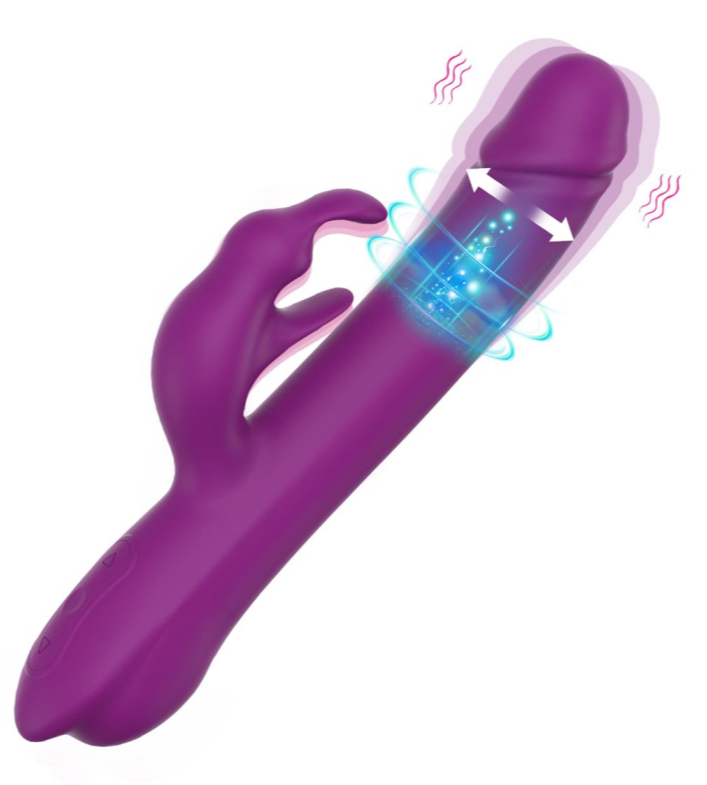
Some rabbit products use vibration only, while others may combine rotation, thrusting, or additional stimulation. The number and interaction of controls can also differ. Request a concise specification that identifies each function and control. Avoid long titles that combine every possible feature without showing what the current model actually provides.
For each product, record:
- Confirmed primary and secondary functions
- Number of settings where verified
- Control buttons, remote, or app status
- Charging method and accessories
- Dimensions, weight, material, and finish
- Waterproof rating where confirmed
- Package contents, package size, and gross weight
This creates a buyer comparison based on usable facts and reduces errors in artwork, product listings, sales training, and customer support.
Use an exact sample for ergonomic and functional review
A drawing or product image cannot replace a physical sample. Review the actual scale, balance, reach between product sections, surface finish, control access, charging connection, noise, package protection, and instructions. Test each confirmed function and document the model version and color reviewed.
If the project uses a new logo, color, or package, determine whether a separate approval sample or pre-production sample is required. Keep an approved reference and a written list of accepted details. Sample cost, quantity, timing, and shipment are confirmed by model and destination.
Separate sample MOQ from private-label MOQ
A sample order is for review and does not define the quantity for branded production. Ask for separate commercial values:
- Sample quantity and terms
- Standard product order MOQ
- Logo MOQ for the approved method
- Custom color or finish MOQ
- Printed packaging MOQ
- Product modification MOQ
- Custom-development or tooling MOQ
A product can sometimes begin as a standard model and move to branded packaging after market validation. Another project may require branding from the first production order. The correct path depends on channel, positioning, artwork, forecast quantity, and launch plan. The MOQ Guide explains the layers in more detail.
Plan logo, color, and packaging by the selected model
Logo method and placement depend on material, surface, available area, visual quality, and production feasibility. A custom color depends on the product material, finish, approval reference, and quantity. Packaging depends on the product dimensions, accessories, protection, presentation, printing, labels, instructions, and shipping.
Send vector logo artwork, color references, package type, artwork status, required languages, labels, barcode responsibility, inserts, and destination. If the model uses multiple materials or components, confirm which parts can use the requested colors. Do not approve packaging dielines until the product and accessories are stable. Review the Packaging Checklist and Private Label options.
Evaluate modification and custom development carefully
If an existing rabbit model is close to the target but not exact, list the requested changes by priority. A selected component, function, surface, or structural change may be evaluated as a product modification. A new concept can involve industrial design, structural design, electronics, prototypes, tooling or mold, pre-production samples, packaging, and production planning.
These routes are subject to technical evaluation, development cost, feasibility, MOQ, and approved requirements. Not every request is possible on every model. Ask for the proposed development route and approval stages before assuming that a change can be included in a standard private-label order.
Review quality, documentation, and claims
Destination-market requirements vary. Define the countries, channel, labels, claims, manuals, and any document or testing review before production. Do not assume that a document for one product applies to another. Available documentation must be linked to the exact model before it is used in a listing or buyer presentation.
A quality review should reference the approved sample and written specification. It can include product appearance, function, controls, charging, color, logo, package contents, package artwork, labels, manual, and available documents. See Quality & Compliance for the current process.
Rabbit vibrator RFQ checklist
- Target market, buyer type, and selling channel
- Public model numbers and quantity by model
- Required functions and control behavior
- Sample quantity and approval schedule
- Material, finish, color, logo, and placement requirements
- Packaging, inserts, labels, manual language, and barcode plan
- Required document or testing review
- Destination, target timing, and shipping inputs
Mark optional requests separately from non-negotiable requirements. This allows an existing-model quotation to be compared with a modified or custom-development route.
Build an approval sequence around the exact model
Assign a responsible reviewer for product function, physical appearance, packaging, artwork, manuals, labels, documentation, and commercial terms. Use the public JW-S model number on every approval file. When comments are collected from several departments, combine them into one dated review rather than sending overlapping instructions at different times.
The approval sequence can move from standard sample to confirmed specification, branding and color review, package structure, artwork, pre-production sample where required, and final production criteria. If the project changes after a stage is approved, identify which later files or samples must be reviewed again. This keeps the physical product, packaging, and buyer-facing claims aligned.
Review launch and replenishment economics
Include sample costs, product quantity, branding, color, packaging, inserts, manuals, cartons, freight, duties, storage, and expected inventory turns in the comparison. A larger or more elaborate package can materially change landed cost. Record the approved model and package version for repeat orders, then review sales, buyer questions, returns or quality feedback, inventory cover, and reorder timing after launch. Use those results to decide whether to repeat, revise, expand, or retire the model.
Frequently asked buyer questions
Can I compare several rabbit models?
Yes. Use the current category and public model numbers, then request exact specifications and sample terms for each selected model.
Can the motor or functions be changed?
Selected component or function changes may be evaluated, but feasibility, cost, development time, and MOQ are model-specific.
Can I request a custom color?
Color options depend on the model, material, finish, production route, quantity, and approval requirements.
Does a private-label project require new tooling?
Basic logo or packaging work generally uses an existing product. Structural or concept changes may require tooling after technical review.
What should be approved before bulk production?
Approve the product, functions, controls, color, logo, packaging, artwork, manuals, labels, contents, and applicable documentation scope.