Buyer Guide
How to Choose a Private Label Sex Toy Manufacturer in China
Short Answer
Evaluate product range, MOQ, samples, customization, documentation, quality review, tooling, communication and shipping support.
A private-label manufacturer should be evaluated on what it can confirm for a specific product and project, not on the size of its catalog or the confidence of its sales claims. The strongest buying process connects the model, specification, sample, packaging, documentation, production plan, and quality checkpoints before money is committed to a bulk order.
Use the following framework when comparing intimate wellness manufacturing and private-label partners in China.
1. Product specialization
Ask which categories the company actively supports and which models have complete, current information. A broad catalog can help product selection, but category relevance matters more than volume. The team should be able to explain the product’s core function, intended wholesale use, material direction, charging format, dimensions, package, and available options without relying on a keyword-heavy listing title.
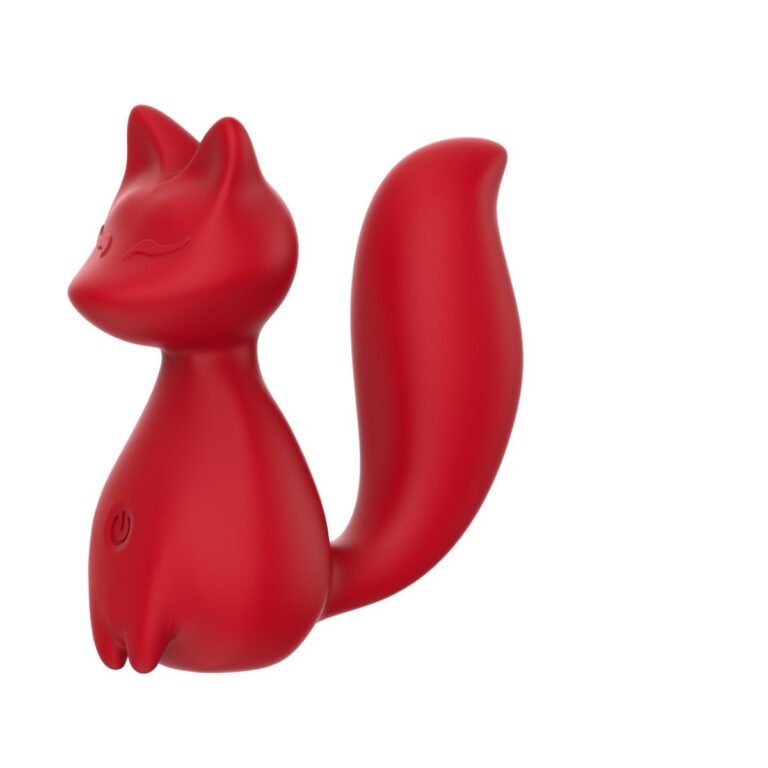
Compare models in the JWELL product catalog using public model numbers and request the corresponding technical information for the models that fit your channel.
2. Existing model range
An established model range allows buyers to test products before investing in structural development. JWELL provides access to 300+ available product options across multiple intimate wellness categories. This should be treated as product access, not as a claim that every product is made under one roof or supports every customization.
For each model, verify:
- Current product images and sample availability
- Model-specific size, weight, materials, charging, and functions
- Available colors and standard packaging
- Logo and packaging feasibility
- Known limitations or items still requiring confirmation
3. MOQ transparency
MOQ should be separated into product, logo, color, packaging, and development requirements. A supplier who gives one number without asking what will be customized may be answering a different question from the one the buyer intended.
Standard MOQ is 100 pcs per model with JWELL standard packaging. Private-label, logo, color and packaging customization each have a MOQ of 500; custom development has an MOQ of 100 pieces when the buyer pays for tooling. The MOQ guide explains how to compare these separate thresholds.
4. Customization capability
Ask the manufacturer to distinguish three routes:
- Private label: logo, standard or approved color, and packaging around an existing model.
- Product modification: feasible changes to functions, components, motor options, finish, or selected structural details.
- Custom development: new concept work involving design, technical review, prototype development, tooling, and pre-production samples.
Not every model supports every change. A credible answer includes “subject to technical evaluation” where the structure, electronics, waterproofing, or component supply must be reviewed.
5. Sample process
Samples should be part of an approval system. Standard sample quantity is 1–5 pieces and sample lead time is 5–7 days. Confirm any model-specific preparation, availability and shipping details before approval.
Ask how sample versions are identified, how feedback is recorded, whether a pre-production sample is required, and which approved sample controls the bulk order. Sample charges and possible credits against future orders can be discussed based on the project; they should not be assumed.
6. Product specifications
A model-specific specification sheet reduces ambiguity. It should identify the model and confirmed values relevant to the order, such as material, product size, weight, function modes, charging method, battery information, waterproof rating where supported, accessories, colors, package dimensions, and carton data.
Do not accept a generic category description as a substitute for product data. If a value is not confirmed, it should be left open for confirmation rather than filled with an estimate from another model.
7. Packaging capability
Evaluate whether the team can coordinate the full packaging set, which may include a printed paper box, gift box, insert, label, instruction manual, barcode or sticker, and outer-carton requirements. Ask who checks the dieline, product fit, print files, languages, label position, and carton marks.
The buyer should receive a clear artwork approval step before printing. Read the packaging checklist for the files and decisions that should be controlled.
8. Documentation and compliance communication
Compliance requirements can depend on the product, electronics, battery, materials, claims, destination market, and sales channel. Ask which model-specific documents are available and which tests or reviews are still required for the buyer’s market.
Avoid any promise that one certificate covers every product or that any requested certificate can be supplied automatically. Review available documents early with the buyer’s qualified adviser or testing partner. See the JWELL quality approach and the buyer document guide for a practical request list.
9. Quality-control process
Quality control is more useful when the acceptance standard is agreed before production. Ask how the manufacturer records the approved product, color, function, logo, packaging, label, manual, accessories, quantity, and inspection level.
The process may include incoming-component checks, in-process review, functional sampling, packaging checks, and pre-shipment inspection coordination. The exact plan should reflect the model and order rather than repeat a generic quality slogan.
10. Communication and change control
A capable project contact should turn requests into controlled decisions. Look for written summaries, versioned artwork, model references, realistic qualifiers, and prompt identification of missing information.
Ask what happens when:
- The buyer changes artwork after sample approval
- A requested color is not available at the planned quantity
- A function change affects the structure or battery
- The package insert fails a fit check
- A destination-market requirement changes before shipment
11. Lead time
A production reference without assumptions is not useful. Typical JWELL OEM/ODM production may be approximately 15–25 days depending on the model, customization, packaging, artwork approval, sample confirmation, quantity, and production schedule. Shipping time is separate.
Ask for milestone dates: artwork due, sample approval, production release, packaging readiness, inspection, and expected shipment handover. A fixed promise made before these inputs are confirmed should be treated cautiously.
12. Tooling capability
For a custom concept, ask how industrial design, structural review, electronics, prototypes, molds, function validation, pre-production samples, and changes are managed. Confirm which development costs apply, what constitutes approval, how tooling ownership and maintenance are handled, and what quantity is commercially required.
Custom tooling is subject to technical feasibility, engineering review, development cost, and MOQ. Review JWELL’s private-label and custom-development routes before preparing a brief.
13. Shipping support
The manufacturing quotation and the freight plan should be connected but not confused. Confirm carton dimensions, weights, battery transport information, Incoterm, destination, shipping marks, labels, and handover responsibilities.
For Amazon projects, JWELL may support shipment to buyer-designated FBA destinations when the buyer provides current shipping and labeling information. This does not guarantee account, listing, category, or sales approval.
Buyer evaluation table
| Question | Why it matters | What to verify |
|---|---|---|
| Can you provide model-specific specifications? | Generic descriptions can hide material or function differences. | Current sheet tied to the public model and sample |
| Can you explain each customization MOQ? | Product, logo, color, and packaging thresholds may differ. | Quantity and setup requirements shown separately |
| Can you supply and identify samples? | The sample becomes the physical approval reference. | Version, dispatch timing, fee, and approval process |
| Which logo methods fit this model? | Material and surface determine feasibility. | Method, area, artwork requirement, and sample |
| Can you provide a pre-production sample? | It validates combined product and branding changes. | What it includes and when production can begin |
| Which documents are available? | Requirements vary by model and market. | Document name, model coverage, date, and gaps |
| Can packaging requirements be confirmed before production? | Late packaging changes delay release and can create waste. | Dieline, artwork, insert, manual, labels, and carton marks |
| How is inspection agreed? | Quality expectations need measurable acceptance points. | Approved sample, checklist, sampling, and report route |
| Can you support modification or tooling? | Capability depends on the actual engineering scope. | Feasibility review, cost, milestones, sample, and MOQ |
| How is the production date calculated? | Artwork, sample, packaging, and schedule affect timing. | Written assumptions and milestone dates |
Red flags during evaluation
- Unclear or changing product specifications
- One universal MOQ applied to every customization
- Unverified certification claims
- No model-specific sample approval process
- No written packaging confirmation
- Inconsistent product images, model names, or specifications
- Guaranteed production dates before artwork and sample approval
- Structural changes accepted without technical review
These signals are reasons to ask better questions, not grounds for attacking another company. The aim is to establish a verifiable project record before the order.
How JWELL approaches buyer projects
JWELL supports international buyers through product development, OEM/ODM, private label, custom logo and color, packaging development, samples, product modification, suitable custom-tooling projects, quality review, production support, and international communication. Capabilities are confirmed against the selected model and project rather than presented as universal promises.
Review About JWELL, compare the product catalog, and use the existing OEM/ODM buying guide to decide which route fits your project.
Discuss Your Product and Manufacturer Requirements
Related JWELL planning pages
Review manufacturing and OEM/ODM support in China, the quality review process, private-label development routes, current product models, or send a project brief.