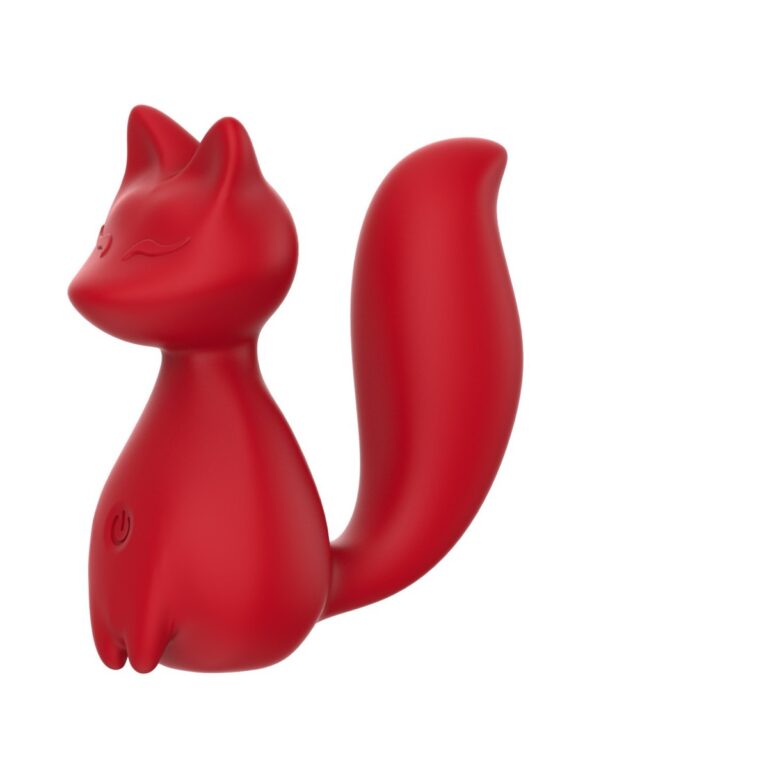
Buyer Guide
OEM vs ODM Sex Toys: A Practical Buying Guide for Importers
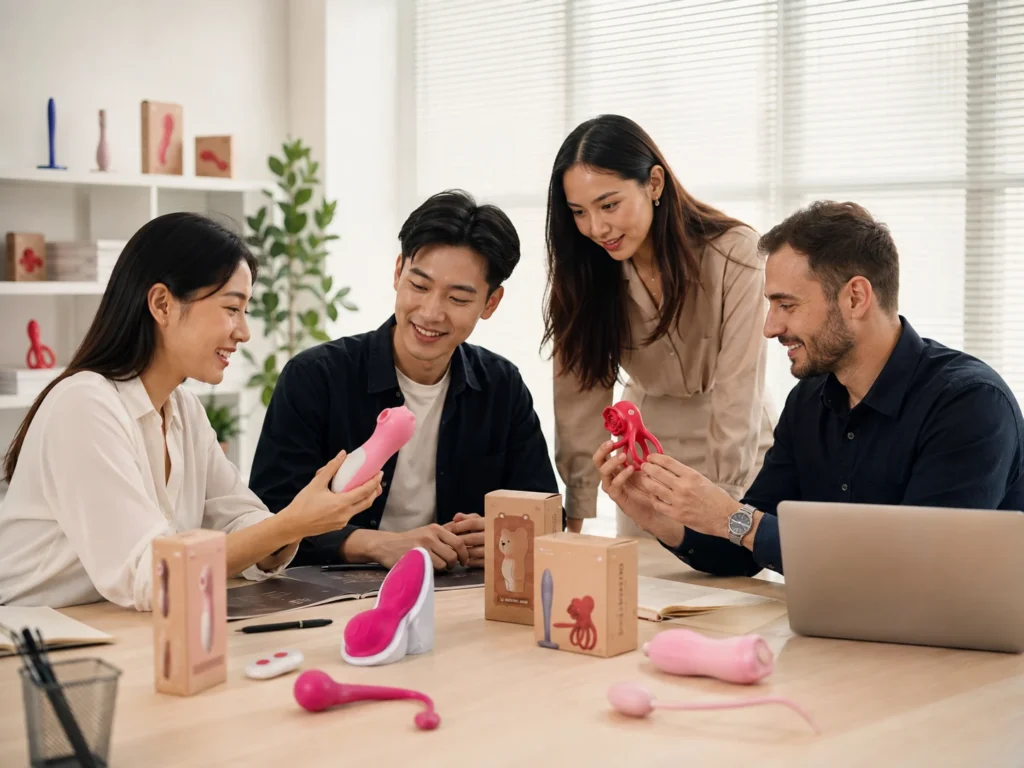
Short Answer
Compare private label, OEM, ODM, product modification and full custom development, including MOQ, samples, tooling, packaging and quality approval.
OEM, ODM, private label, and custom development describe different levels of buyer involvement. For importers, the best route is the one that matches the launch deadline, differentiation target, budget, expected order quantity, and acceptable technical risk.
A fast market test may only require an existing model with a logo and branded packaging. A modification project may change selected functions, components, finishes, or structural details. A fully custom product can require industrial design, prototypes, engineering validation, and dedicated tooling. Treating these routes as the same project leads to unclear quotations and avoidable delays.
What is OEM?
OEM is commonly used for a product made to a buyer’s defined requirements and sold under the buyer’s brand. In intimate wellness projects, the term can cover a broad range of work: applying a logo to an existing model, selecting a model-specific color, changing approved components, developing packaging, or producing against a confirmed buyer specification.
Because the term is broad, a buyer should not ask only, “Do you offer OEM?” A better request identifies the exact model, requested changes, target quantity, packaging, target market, and approval process. The written project scope matters more than the label.
What is ODM?
ODM generally refers to a product based on an existing design or development platform that can be offered to a buyer for branding and selected customization. The buyer can reach market faster because the basic product structure and function already exist.
ODM does not mean every part is freely changeable. Available colors, logo areas, motor choices, charging systems, finishes, packaging, and component options depend on the model. Confirm the exact configuration in a specification sheet and approved sample.
Private label vs OEM vs ODM
| Route | Typical starting point | Buyer decisions | Project implications |
|---|---|---|---|
| Private label | Existing model and standard configuration | Logo, available color, packaging, labels | Usually the lowest development burden and clearest route for an initial market test |
| OEM / product modification | Existing platform with selected changes | Function configuration, components, finish, selected structural details | Requires feasibility review, revised samples, and potentially different MOQ or lead time |
| ODM | Existing design or developed model | Model selection, approved options, branding, packaging | Can shorten the route to market while preserving model-level constraints |
| Full custom development | Buyer concept or new product requirement | Industrial design, structure, electronics, material direction, tooling, packaging | Requires engineering review, development budget, prototypes, and dedicated approvals |
Decision table: which route fits the project?
| Buyer situation | Best route to evaluate first | Why |
|---|---|---|
| Fast market test with limited initial complexity | Private label | Uses an existing product and focuses work on brand presentation |
| Need a different color, finish, or selected function | Product modification | Builds on a developed platform while introducing controlled changes |
| Need access to a developed design with brand customization | ODM | Reduces initial product-development work |
| Unique structure or proprietary product concept | Custom development | Allows the concept to be evaluated as a new engineering project |
| Retail program with channel-specific packaging | Private label or ODM | Product can remain stable while packaging is developed for the channel |
When to choose an existing product
An existing model is often the practical first step when speed, lower development risk, and sample availability matter more than structural exclusivity. JWELL provides access to 300+ available product options across multiple intimate wellness categories, allowing buyers to compare product types before committing to deeper development.
Start with the channel and target user, then shortlist a small number of products. Review samples for function, controls, charging, noise, finish, dimensions, packaging fit, and overall positioning. A disciplined shortlist is more useful than requesting many unrelated samples.
When to modify an existing model
Product modification can make sense when an existing platform is close to the requirement but needs selected changes. Possible discussions may include function configuration, component or motor options, surface finish, available product color, or selected structural changes.
Every change is subject to model feasibility. A color change may affect material purchasing. A component change may affect power consumption, control logic, charging, waterproof design, or dimensions. Confirm which parts remain standard and which require new validation.
When to develop a custom product
Full custom development is appropriate when the concept cannot be achieved through an existing model or controlled modification. The process can include concept review, product requirements, industrial design, structural review, prototype development, function validation, tooling or mold development, pre-production samples, and packaging.
Custom development is subject to technical feasibility, engineering review, project quantity, development cost, and approved requirements. Do not begin tooling until the buyer and development team agree on design files, critical dimensions, functions, material direction, surface finish, and the approval standard.
How MOQ changes by route
MOQ is not one universal number. Product MOQ, logo MOQ, color MOQ, packaging MOQ, and tooling-related production quantity can differ.
Standard MOQ is 100 pcs per model with JWELL standard packaging. Private-label, logo, color and packaging customization each have a MOQ of 500. custom development has an MOQ of 100 pieces when the buyer pays for tooling; product modification and tooling scope still require technical review.
Ask for each minimum separately and confirm whether quantities can be split by color, packaging language, or market. Do not assume a low logo minimum also applies to a custom-colored component or printed box.
Development cost differences
Private-label costs usually concentrate on samples, logo setup, artwork, packaging, and the commercial order. Product modification can introduce engineering work, new components, testing, fixtures, or revised samples. Full custom development can add industrial design, electronics or structural engineering, prototypes, multiple molds, tooling trials, and pre-production validation.
Request a staged quotation that separates product cost from one-time development items. It should identify what is reusable or owned under the agreed project terms. Avoid comparing only the projected bulk unit price.
Samples and approval
Samples should answer a defined question. A stock sample confirms the baseline product. A logo sample checks placement and appearance. A packaging sample checks structure, print, insert fit, and labeling. A pre-production sample should represent the approved commercial configuration.
Standard sample quantity is 1–5 pieces and sample lead time is 5–7 days. Confirm model availability, sample charges and shipping terms for the project.
Keep a written approval record that identifies the sample version, color, functions, logo, accessories, packaging, manual, labels, and accepted tolerances.
Tooling and mold development
Tooling can be required for a new housing, silicone component, internal structure, insert, or another custom part. Cost and timing depend on product size, complexity, number of molded components, materials, electronics, waterproof requirements, finish, and the number of molds.
Before authorizing tooling, confirm:
- Approved design and technical files
- Tooling scope and number of tools
- Ownership, storage, maintenance, and modification terms
- Trial and revision stages
- Pre-production sample approval
- How post-approval changes will be quoted
Packaging development
Packaging is part of product readiness, not a task to leave until production. Confirm the sales channel, box style, insert, artwork, manual, barcode, labels, warning text, accessories, and outer-carton requirements. Review the product sample and packaging structure together.
A retail or e-commerce launch may require a printed paper box, gift box, custom insert, instruction manual, barcode stickers, or other project-specific elements. Packaging and product quantities may have different minimums.
Lead time: use milestones, not one date
A typical OEM/ODM production reference may be approximately 15–25 days after required approvals, depending on the model, customization, packaging, artwork approval, sample confirmation, quantity, and production schedule. This is a working reference, not a fixed promise.
Custom development should be planned as a sequence: requirement approval, design, prototype, tooling, trial, pre-production sample, packaging, production, inspection, and shipment. Ask which milestone starts the production clock and identify buyer-side approval deadlines.
Buyer documentation
- Final product specification and model reference
- Approved sample record
- Color and finish reference
- Logo artwork and placement
- Packaging dieline and approved artwork
- Manual, labels, warnings, and barcode files
- Available model-specific documents and test reports
- Quantity breakdown and carton requirements
- Inspection standard and shipment instructions
Documentation and testing requirements vary by product and destination market. Ask what is available for the exact model and commercial configuration rather than accepting a general certificate list.
Quality approval before production
The approved sample and written specification should be the basis for production and inspection. Review function, charging, controls, dimensions, appearance, logo, accessories, packaging, labels, and documentation. Define how deviations will be handled before shipment.
JWELL can support product selection, development, OEM/ODM customization, private-label packaging, samples, product modification, custom tooling discussions, quality review, and production support according to the confirmed project scope.
Questions to include in an OEM/ODM inquiry
- Which product category and target market are involved?
- Is the buyer starting from an existing model or a new concept?
- Which functions, materials, dimensions, and finishes are required?
- What logo and packaging work is needed?
- What are the sample and target order quantities?
- Which destination-market documents or testing questions need review?
- What is the target launch date and shipping destination?
Explore the JWELL product catalog, review the private-label process, and read how JWELL approaches quality and document review.